Projects
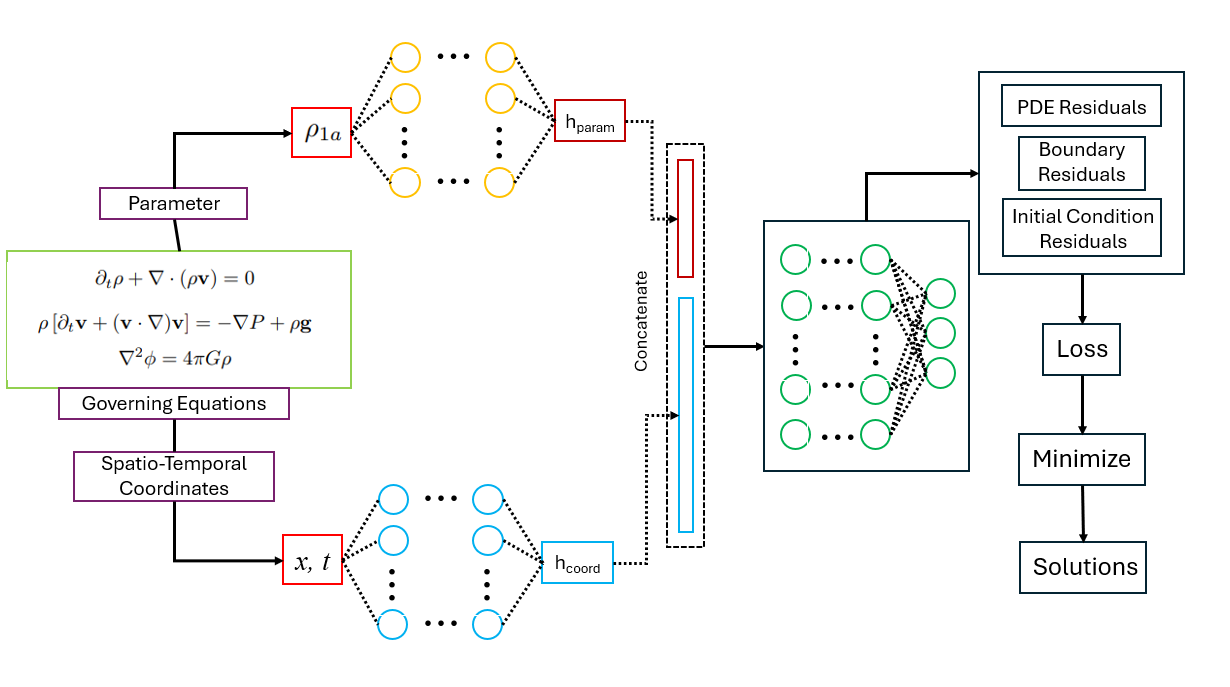
- Surrogate PINNs for self-gravitating molecular clouds
Extended the GRINN framework (Sayantan Auddy et al.) for learning of perturbation strength as a parameter, taking the first steps in fast surrogate modelling of molecular clouds across various initial and boundary conditions.
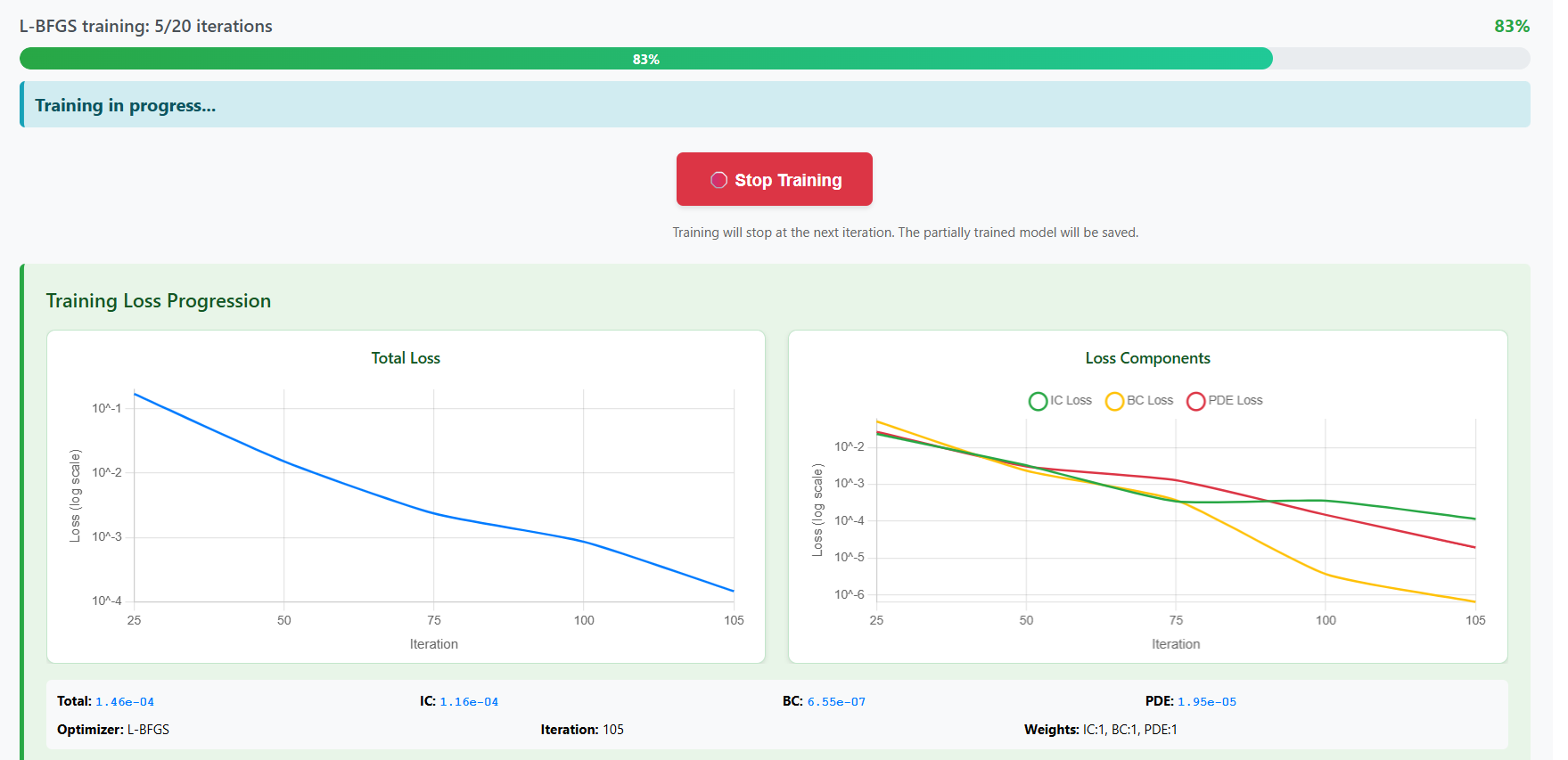
- PINNLab - Interactive PINN trainer and visualiser web based app
A web application based on Flask to train and visualise Physics Informed Neural Networks for some basic differential equations. Currently supports SHM, Burgers and Wave equations (and a special case for the hydrodynamic equations of GRINN; see the above project for details). Features include intermediate stopping of training, real time loss plots and plots to compare PINN solutions and solutions from numerical solvers (Finite Difference for example)
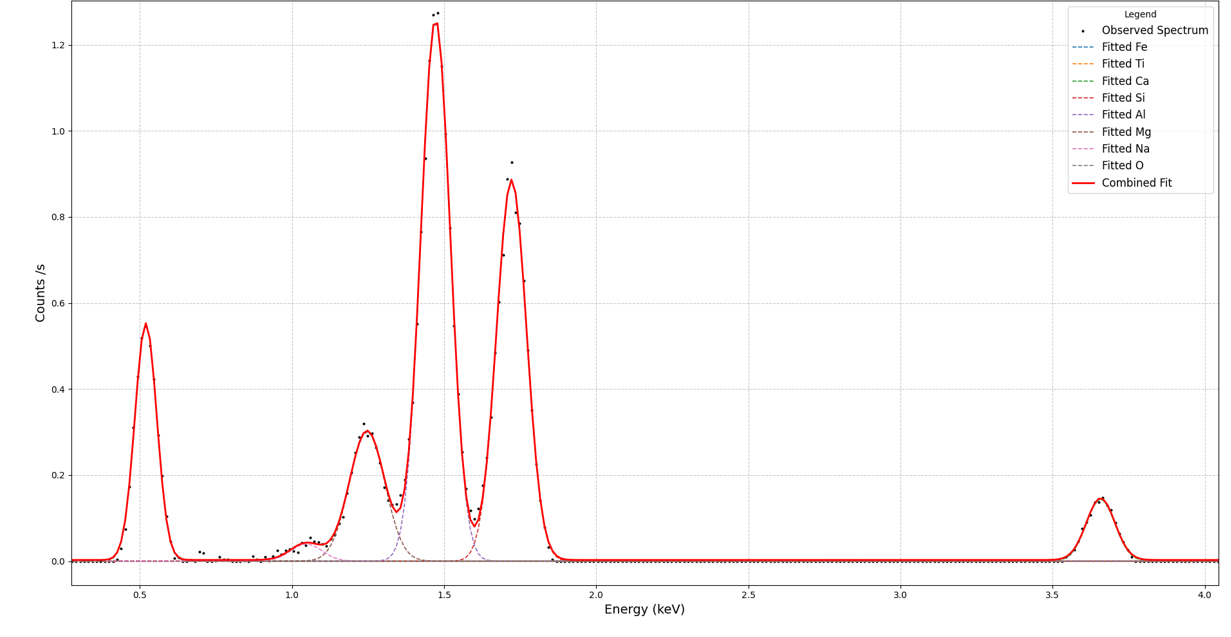
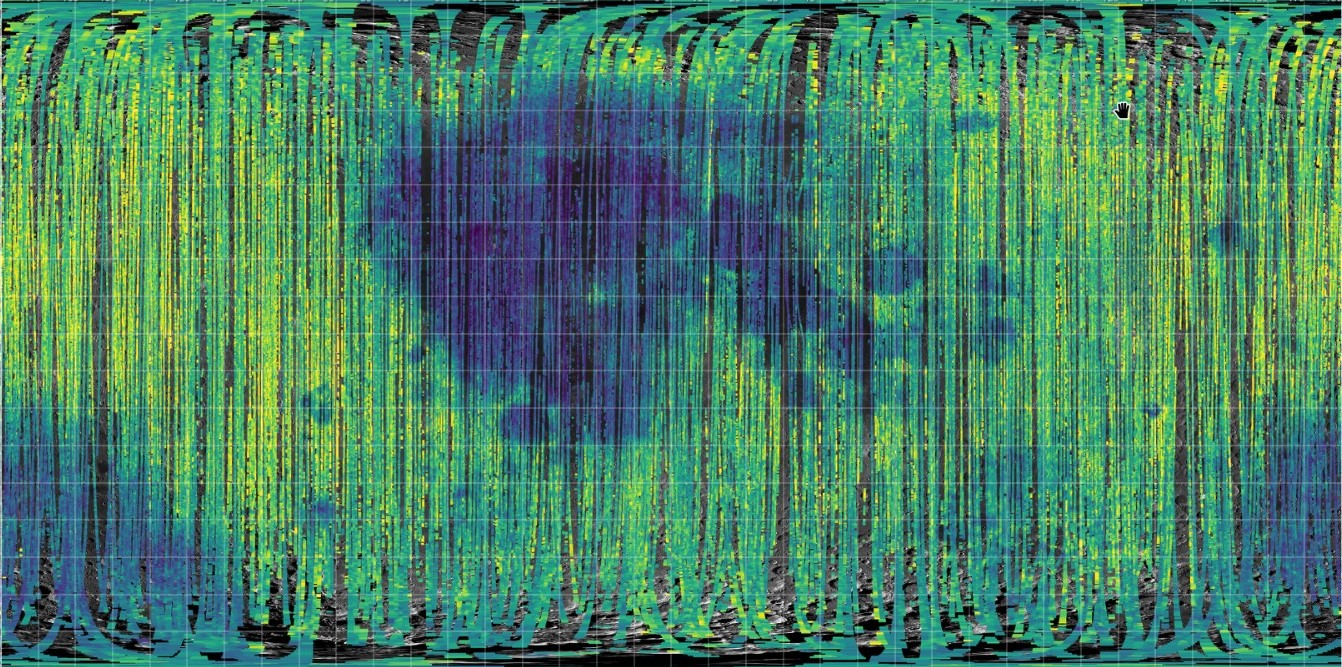
- Elemental Maps of Lunar Surface
Tackled the high prep problem statement of ISRO on the analysis of 5 years worth of Chandrayaan 2’s CLASS instrument to make high resolution elemental ratio maps of the Lunar surface. Represented IIT Roorkee in the Inter IIT Tech Meet 13.0 and emerged 5th among 23 IITs.
- Gamma Ray Detector Calibration using ML
Implemented an automated system for calibrating gamma ray detectors using classical ML techniques. Uses an automatic peak finder and quadratic regressor for mapping detector channels to energy values.
- Identifying exoplanet candidates using ML
Analysed TIC and CTL catalog data from TESS and made models for identifying exoplanet candidates in a 1° spherical region around M67.
- Using PINNs to solve differential equations
Developed a PINN model to solve the first Friedmann equation for a flat matter dominated Universe and compared its performance with a standard feedforward neural network.